PulmiORA
A revolutionary first-in-class therapy that addresses the root cause of respiratory diseases, not just the symptoms.
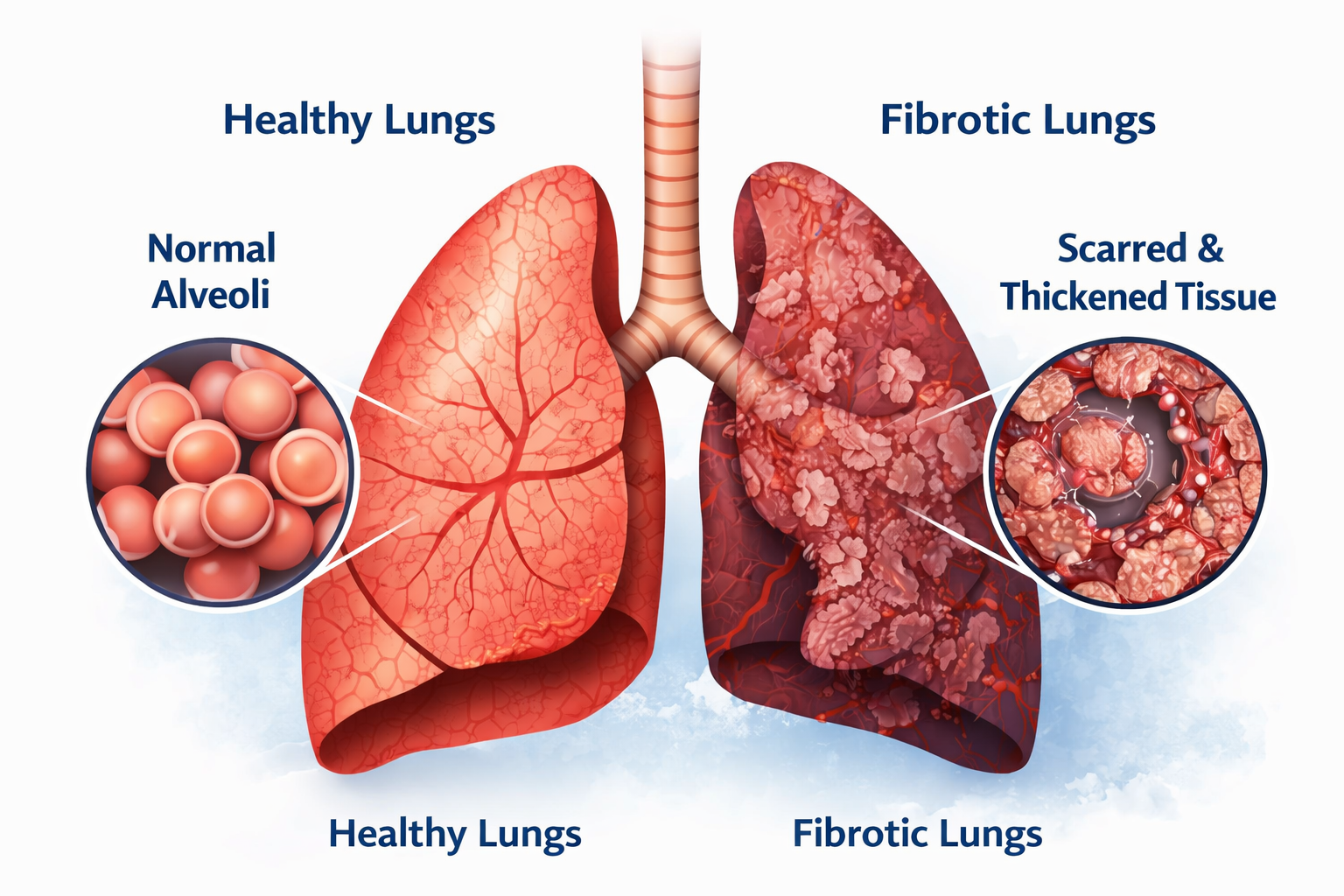
Lung fibrosis is a progressive condition characterized by irreversible scarring of lung tissue, leading to reduced lung elasticity and impaired oxygen exchange. As fibrosis advances, patients experience worsening breathlessness, chronic cough, fatigue, and declining functional capacity—often progressing to respiratory failure.
Despite available antifibrotic therapies, no current treatment reverses established fibrosis, leaving a critical gap for disease-modifying solutions.
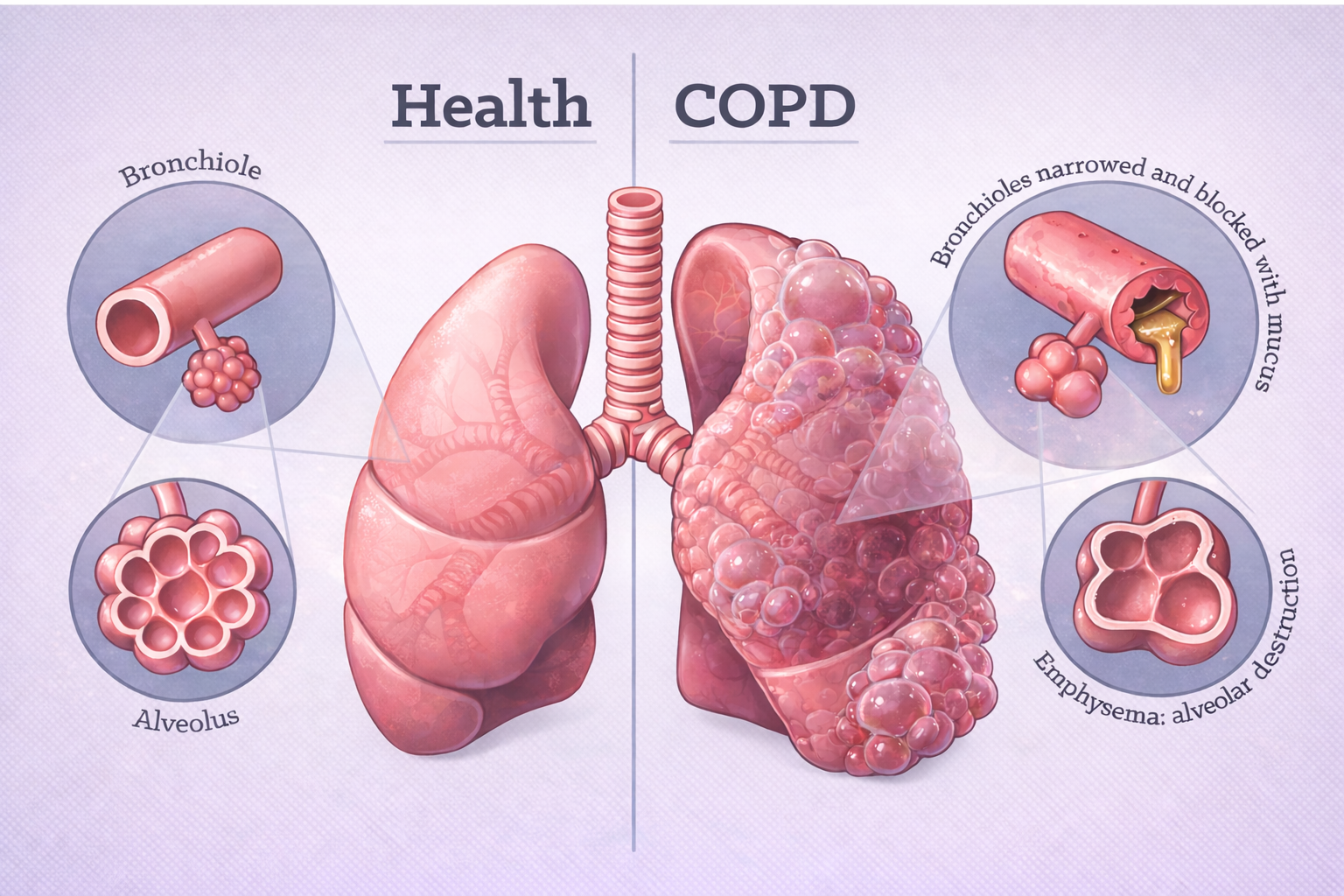
Chronic Obstructive Pulmonary Disease (COPD) is a chronic, progressive respiratory disease marked by persistent airflow limitation, typically caused by long-term inflammation and structural damage to the lungs. It includes chronic bronchitis and emphysema and is a leading cause of morbidity and mortality worldwide.
Patients suffer from breathlessness, frequent exacerbations, reduced exercise tolerance, and declining quality of life.
Understanding the causes and risk factors is essential for developing targeted therapies that address both conditions.
Current therapies provide symptom relief and slow progression but do not reverse established disease.
Together, COPD and lung fibrosis affect tens of millions of patients worldwide and account for a substantial proportion of respiratory-related mortality and disability.
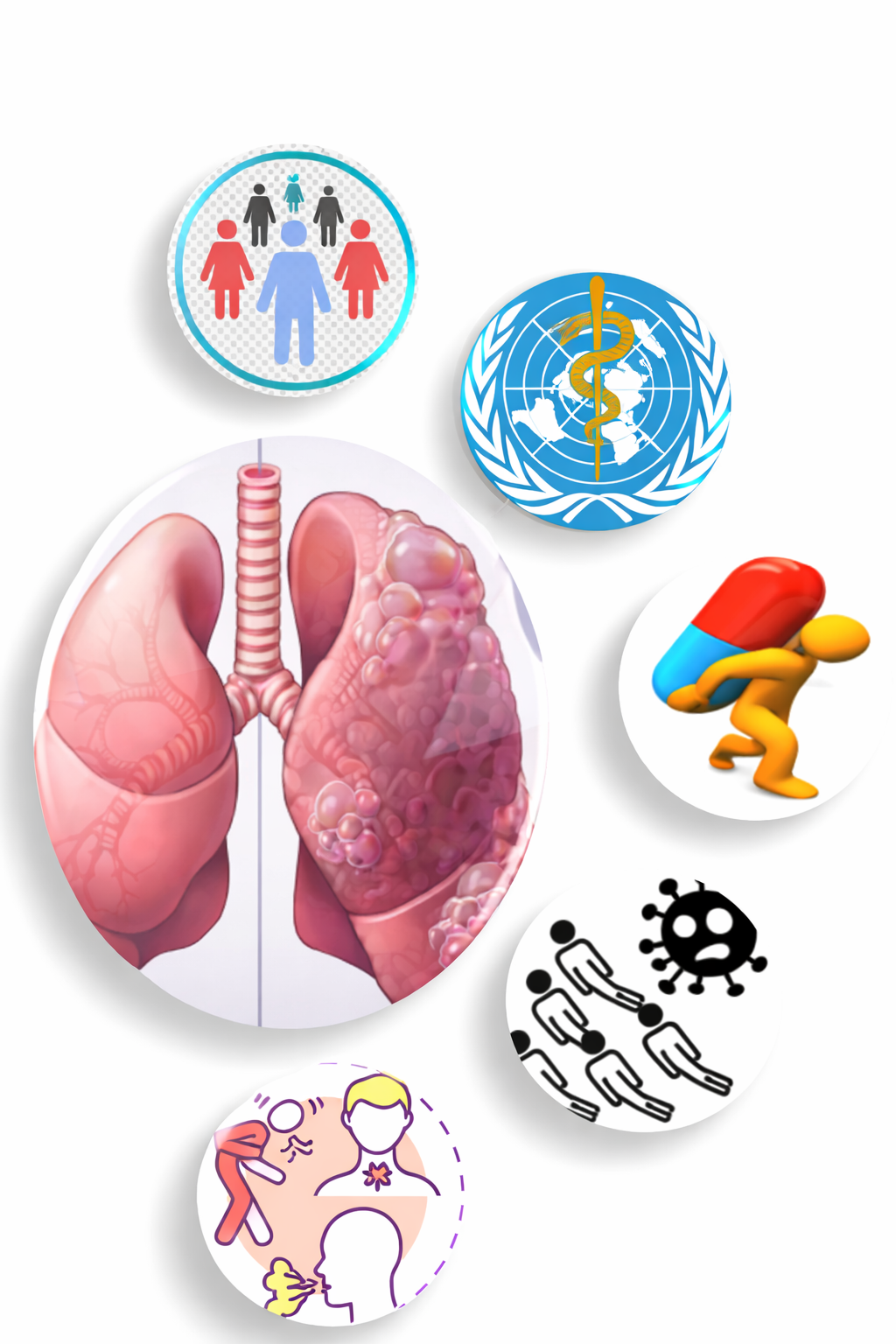
Chronic breathlessness, reduced quality of life, long-term oxygen dependence
Progressive disease courses with limited curative options
Long-term therapy, frequent hospitalizations, productivity loss
Driven by aging populations, pollution, smoking, and post-infectious lung injury
COPD affects over ~390 Million People Worldwide, with 3.5 Million Annual Deaths
This growing burden underscores the urgency for next-generation respiratory therapeutics.
How COPD and Lung Fibrosis develop and progress through molecular pathways in the respiratory system
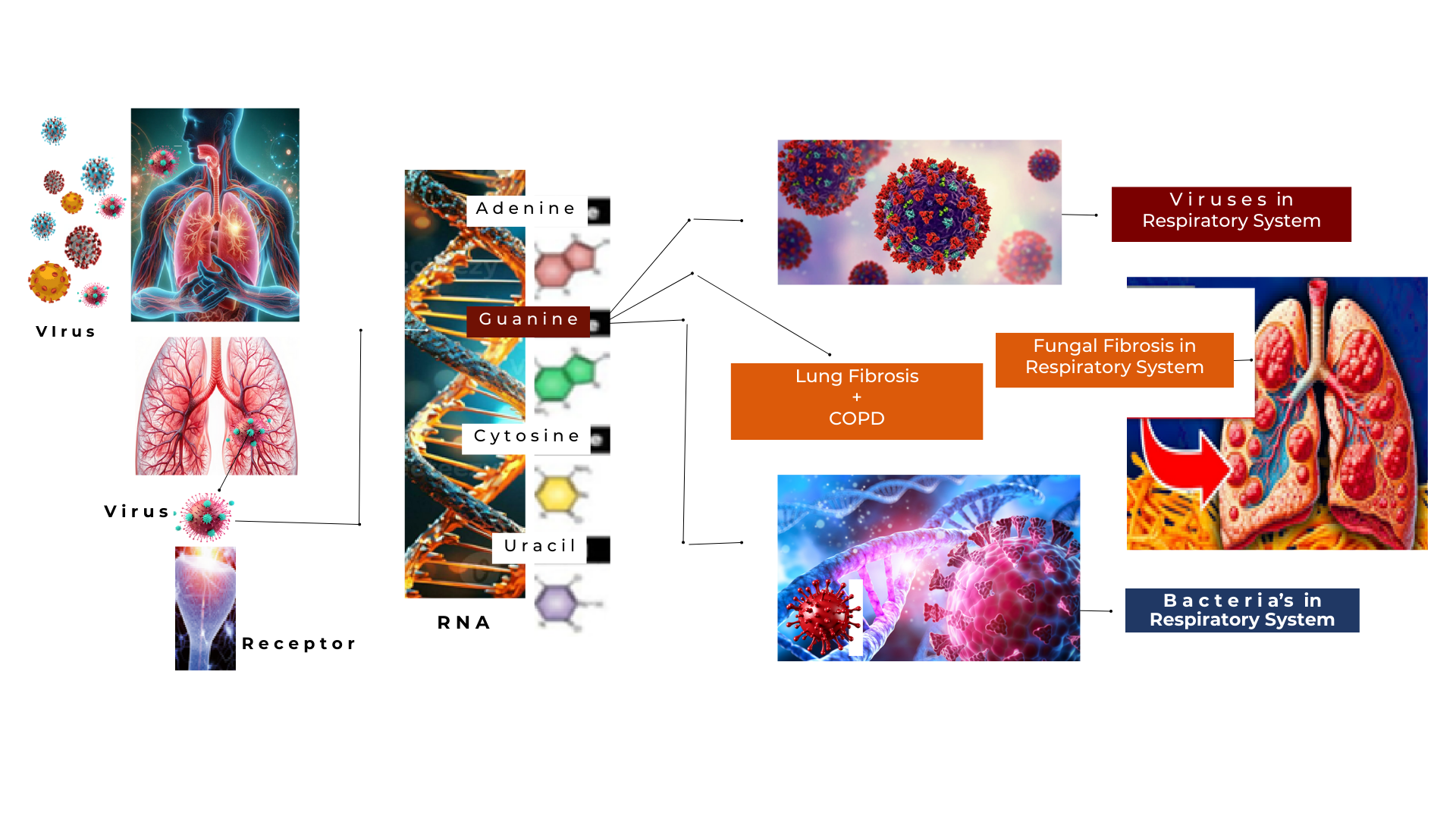
Both COPD and Lung Fibrosis develop through complex molecular mechanisms involving the respiratory system. The disease progression is driven by chronic inflammation and structural changes at the cellular level. Viral, bacterial, and fungal pathogens interact with the respiratory epithelium, triggering inflammatory cascades. These pathogens affect RNA mechanisms and cellular processes, leading to persistent airway inflammation, mucus hypersecretion, progressive fibrosis, and destruction of lung tissue. Understanding these fundamental molecular pathways is crucial for developing targeted therapies that address the root causes rather than just managing symptoms.
COPD and Lung Fibrosis together affect hundreds of millions of people worldwide, causing millions of deaths annually. Current treatments only provide temporary symptom relief without addressing the underlying pathology.
Existing therapies like bronchodilators, corticosteroids, and antifibrotics provide only temporary symptom relief without addressing the root cause of disease progression.
Current medications including steroidal medicines and antibiotics often come with severe long-term side effects, significantly impacting patient quality of life.
Traditional treatments fail to halt or reverse disease progression, leading to continued lung function deterioration and irreversible tissue damage.
Cases are projected to increase significantly through 2050 as populations age and environmental factors persist, creating an urgent need for breakthrough therapies.
Learn how PulmiORA is transforming respiratory disease treatment by targeting COPD and Lung Fibrosis at their molecular core
Explore PulmiORA